How to reduce your risk of falling, protect your independence and know when a fall needs medical review
Falls are common, but they are not an inevitable part of getting older.
Around one in four Australians aged 65 and over experiences at least one fall each year. Falls are also the leading cause of accidental injury in older Australians and can result in fractures, head injuries, hospital admission and loss of independence.
Even a fall without serious injury can have lasting effects. Fear of falling may lead someone to move less, lose strength and become more likely to fall again.
The most effective prevention usually involves several small changes rather than one single solution.
Why do people fall?
A fall is rarely caused by simple clumsiness.
It often results from a combination of factors, including:
- Reduced strength or balance
- Dizziness or fainting
- Poor vision
- Foot pain or reduced sensation
- Joint pain
- Urgency to reach the toilet
- Medicines that cause sedation or low blood pressure
- Acute illness or dehydration
- Memory or thinking problems
- Unsafe footwear
- Trip hazards, poor lighting or slippery surfaces
A previous fall is itself an important warning sign. Someone who has fallen more than once in the past six months is more likely to fall again.
Tell your GP if you have fallen
A fall deserves medical review even when there is no obvious injury.
It may be the first sign of:
- A new illness
- An abnormal heart rhythm
- Low blood pressure
- Medicine adverse effects
- Muscle weakness
- Poor balance
- Vision problems
- Neuropathy
- Dehydration
- Delirium or cognitive change
Your GP may ask what happened before, during and after the fall. Details such as dizziness, loss of consciousness, chest symptoms, weakness, confusion or inability to remember the event can help identify the cause.
The 2025 Australian Falls Guidelines recommend person-centred assessment and interventions targeted to each person’s individual risk factors rather than a one-size-fits-all checklist.
Strength and balance are central
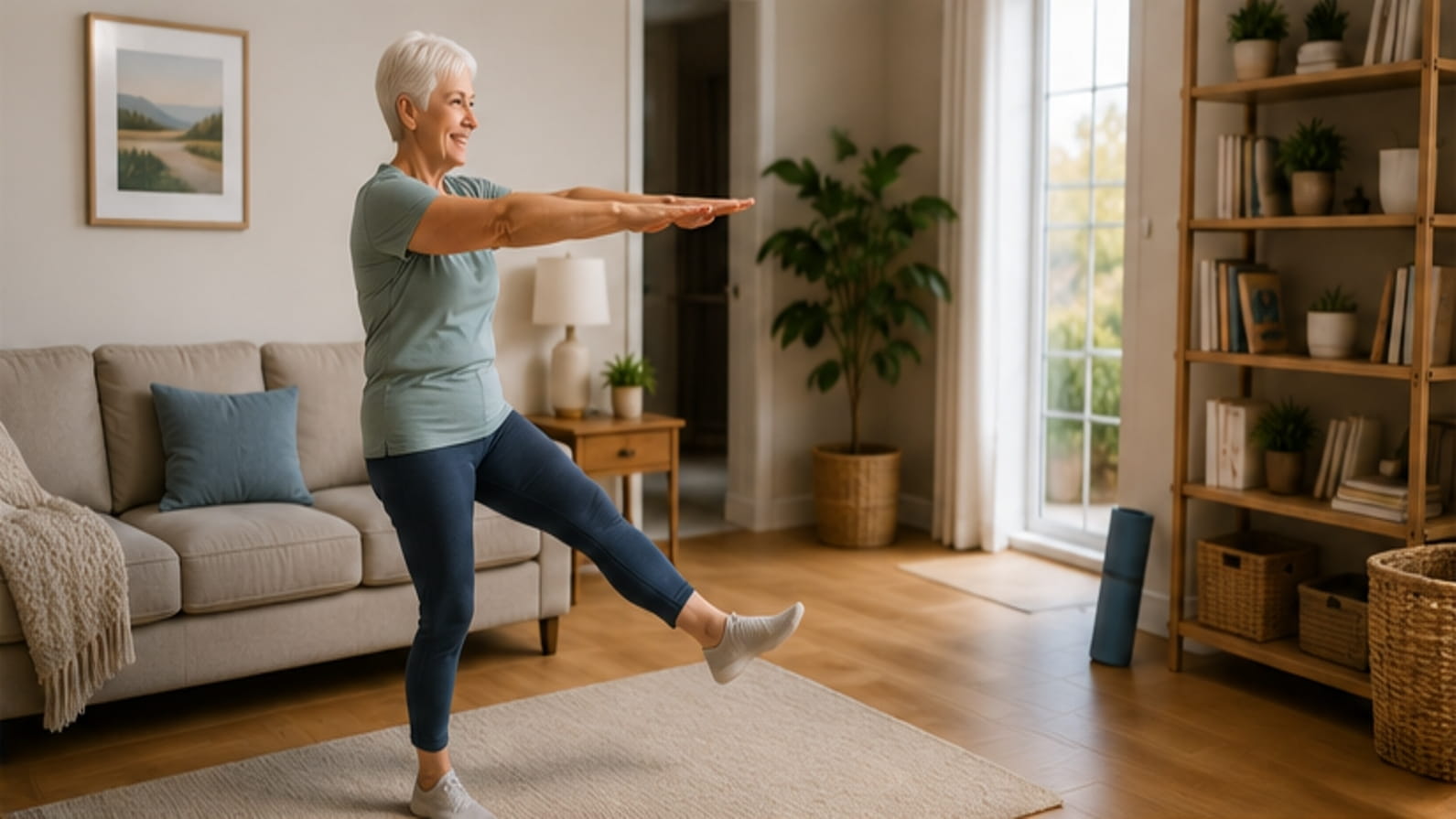
Exercise is one of the most effective ways to reduce falls risk.
Walking is valuable for general health, but walking alone may not adequately improve balance or muscle strength. A falls-prevention program should usually include exercises that challenge:
- Leg strength
- Balance
- Coordination
- Mobility
- Safe transfers, such as standing from a chair
Useful activities may include:
- Chair rises
- Heel raises
- Step-ups
- Tai chi
- Heel-to-toe walking
- Standing on one leg near stable support
- Resistance-band exercises
- Supervised strength training
Older adults should aim for regular physical activity, including balance and mobility work on at least three days each week and muscle-strengthening exercise on at least two days each week. People with poor balance, previous falls or significant medical conditions may benefit from a physiotherapist or accredited exercise physiologist.
Do not become less active because you are afraid
Fear after a fall is understandable.
But avoiding movement can create a harmful cycle:
- You become less active.
- Muscles weaken.
- Balance deteriorates.
- Confidence falls further.
- The risk of another fall increases.
A safer response is gradual, supported activity.
A physiotherapist can help identify which movements are safe, practise getting up from the floor and rebuild confidence in walking.
Review your medicines
Some medicines increase falls risk by causing:
- Drowsiness
- Confusion
- Blurred vision
- Low blood pressure
- Dizziness
- Poor coordination
- Urgency to use the toilet
Medicines commonly worth reviewing include sleeping tablets, sedatives, some antidepressants, antipsychotics, opioid pain medicines and some blood-pressure treatments.
Do not stop medicines yourself. Ask your GP or pharmacist to review:
- Whether each medicine is still needed
- Whether the dose remains appropriate
- Whether combinations are causing adverse effects
- Whether any medicine could be taken at a different time
Falls risk is particularly important after a new medicine is started or a dose is increased.
Check blood pressure when standing
Some people experience a significant drop in blood pressure when they stand. This is called postural or orthostatic hypotension.
Possible symptoms include:
- Light-headedness
- Blurred vision
- Weakness
- Feeling faint
- Falling shortly after standing
Stand up slowly, pause before walking and use support if necessary.
Your GP may check your blood pressure lying or sitting and then again after standing. Dehydration, illness and medicines can all contribute.
Look after vision and hearing
Poor vision can make it harder to judge steps, floor changes, obstacles and glare.
Arrange regular eye checks and make sure glasses are current. Cataract treatment may reduce falls and fracture risk in suitable people.
Be cautious with multifocal or progressive lenses when walking outdoors or using stairs, particularly if they distort the lower visual field.
Hearing also contributes to awareness of the environment. Hearing assessment may help when hearing loss is affecting safety or balance.
Feet and footwear matter
Painful feet, numbness, deformity and unsuitable shoes can change the way you walk.
Choose footwear that is:
- Firmly fitted
- Low-heeled
- Supportive
- Non-slip
- Secure around the heel
Loose slippers, backless shoes, thick socks on smooth floors and worn soles can increase risk.
A podiatrist may help if you have foot pain, swelling, reduced sensation, diabetes or difficulty finding suitable shoes.
Make the home safer
Many falls occur in or around the home.
Look for common hazards:
- Loose mats or rugs
- Electrical cords
- Cluttered walkways
- Poor lighting
- Wet bathroom floors
- Uneven outdoor paths
- Missing handrails
- Unstable furniture
- Frequently used items stored too high or too low
Useful changes may include:
- Removing loose rugs
- Improving lighting and using night lights
- Installing grab rails or shower seating
- Adding handrails to stairs
- Using non-slip bathroom surfaces
- Keeping pathways clear
- Repairing uneven steps
- Moving commonly used items within easy reach
An occupational therapist can assess the home and recommend practical modifications.
Think about the bathroom and toilet
Bathrooms are a common site of falls.
Helpful measures include:
- Non-slip flooring
- Grab rails
- A shower chair where needed
- Adequate lighting
- Avoiding loose bathmats
- Keeping towels and toiletries within reach
Urgency, nocturia and rushing to the toilet also increase risk.
Speak with your GP if you have incontinence, frequent night-time urination, constipation or difficulty reaching the toilet safely. A bedside commode or improved night lighting may help selected people.
Nutrition, hydration and bone health
Poor nutrition and dehydration can contribute to weakness, dizziness and slower recovery from illness.
Aim for:
- Regular meals
- Adequate protein
- Sufficient fluids
- Calcium-rich foods
- Vitamin D assessment where risk factors are present
Calcium and vitamin D supplements are not automatically needed for everyone. Their role depends on diet, vitamin D status, osteoporosis risk and medical history.
Because falls commonly cause hip, wrist and spinal fractures, bone-health assessment is important after a fragility fracture or when osteoporosis risk is high.
Personal alarms and mobility aids
A personal alarm may provide reassurance and faster access to help after a fall.
Walking sticks and frames can also improve safety when correctly selected and adjusted. A poorly fitted aid may increase risk.
Ask a physiotherapist to check:
- The right type of aid
- Correct height
- Safe technique
- Whether the rubber tips or wheels are worn
Keep the aid within reach rather than leaving it across the room.
What to do after a fall
Do not rush to stand immediately.
First check for:
- Severe pain
- Head injury
- Bleeding
- New weakness
- Dizziness
- Inability to move a limb
- Difficulty breathing
Call 000 if there is severe injury, loss of consciousness, chest pain, sudden neurological symptoms or inability to get up safely.
When there is no serious injury and you have been taught a safe technique, roll onto your side, move onto hands and knees, crawl to stable furniture and rise gradually.
Tell your GP about the fall even if you feel well.
When to seek urgent help
Call 000 after a fall if the person:
- Lost consciousness
- Has severe head, neck, back or hip pain
- Cannot bear weight
- Has heavy bleeding
- Is confused or unusually drowsy
- Has new weakness, facial droop or speech difficulty
- Has chest pain or severe breathlessness
- Takes blood-thinning medicine and struck their head
- Cannot get up safely
An older person who remains on the floor for a prolonged period is at risk of dehydration, pressure injury, hypothermia and muscle damage.
Start with one change
Choose one practical first step:
- Tell your GP about a recent fall
- Book a medicines review
- Begin supervised strength and balance exercises
- Remove one loose rug
- Arrange an eye test
- Replace unsafe slippers
- Install a night light
- Ask for a home-safety assessment
The aim is not to remove every possible risk. It is to reduce the risks most likely to cause harm.
The bottom line
Falls are common, but many can be prevented.
The strongest approach combines strength and balance exercise with medical assessment, medicine review, vision and footwear care, safer surroundings and attention to bone health.
Do not respond to a fall by simply becoming less active. Seek help, identify the causes and rebuild strength and confidence safely.
A fall is not just an accident to forget. It is an opportunity to prevent the next one.

Dr Quinten Willemse
Important information
This guide provides general health information and does not replace personalised medical advice. Speak with your GP or healthcare professional after a fall or if you have concerns about balance, dizziness, medicines or mobility.
Call 000 for severe injury, loss of consciousness, new neurological symptoms or inability to get up safely.
Evidence and further reading
- Australian Commission on Safety and Quality in Health Care — Preventing Falls and Harm from Falls in Older People: Best Practice Guidelines for Community Care, 2025.
- Australian Commission on Safety and Quality in Health Care — Preventing falls in community care fact sheet, 2025.
- Australian Government Department of Health, Disability and Ageing — Recommendations for older adults aged 65 years and over, updated March 2026.