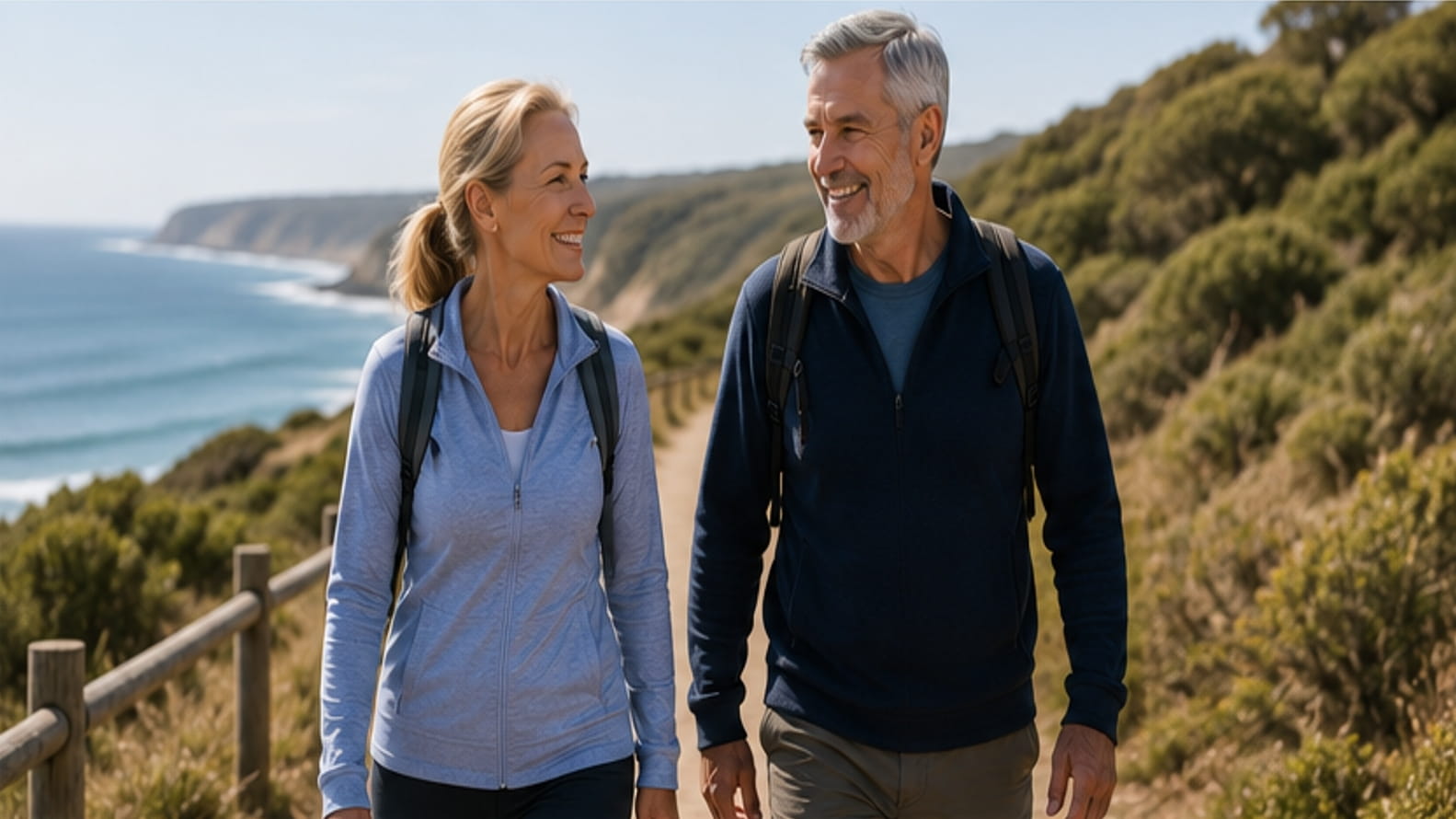
How to protect your bones, reduce fracture risk and know when testing or treatment may help
Bones can appear solid and unchanging, but they are living tissue.
Throughout life, old bone is removed and new bone is formed. During childhood and early adulthood, bone formation generally exceeds bone loss. From around the 30s onward, more bone may gradually be broken down than replaced. This process accelerates for many women after menopause and can eventually lead to fragile bones.
Osteoporosis usually causes no warning symptoms. Many people first discover it after breaking a bone from a minor fall or injury.
The good news is that fractures are not simply an unavoidable part of ageing. Nutrition, exercise, fall prevention, risk assessment and, when appropriate, medicines can all reduce risk.
What is osteoporosis?
Osteoporosis is a chronic condition in which bones become less dense, lose mineral strength and become more likely to fracture.
The fractures most often associated with osteoporosis affect the:
- Hip
- Spine
- Wrist or forearm
- Upper arm
Spinal fractures may cause sudden back pain, loss of height or a more curved posture. Some vertebral fractures cause relatively little pain and are only discovered later.
A fracture caused by a low-level event, such as falling from standing height, is often called a minimal-trauma or fragility fracture. In an adult over 50, this should prompt assessment for osteoporosis.
What is osteopenia?
Osteopenia means bone density is below the expected range but not low enough to meet the usual definition of osteoporosis.
It is not simply “mild osteoporosis”. Some people with osteopenia have relatively low fracture risk, while others have important additional risk factors and may still need treatment.
Your fracture risk depends on more than the bone-density number alone. Age, previous fractures, falls, family history, medicines and medical conditions all matter.
Who is at increased risk?
Bone density tends to decline with age, but some people lose bone more quickly or begin with lower bone strength.
Risk factors include:
- Older age
- Menopause, particularly before age 45
- A parent with osteoporosis or a hip fracture
- A previous fragility fracture
- Low body weight
- Smoking
- High alcohol intake
- Low calcium or protein intake
- Vitamin D deficiency
- Physical inactivity
- Recurrent falls
- Low testosterone in men
Medical conditions that may increase risk include:
- Coeliac disease or inflammatory bowel disease
- Rheumatoid arthritis
- Thyroid or parathyroid disease
- Diabetes
- Chronic kidney or liver disease
- Eating disorders
- Some neurological conditions
- Conditions causing poor mobility
Long-term corticosteroid treatment and some breast-cancer or prostate-cancer treatments can also weaken bones.
When should you have a bone-density scan?
A bone-density scan is also called a DXA or DEXA scan.
It is a painless, low-radiation test that usually measures the density of the hip and lower spine. The scan commonly takes about 20 minutes.
Australian guidance recommends bone-health assessment for all people aged 70 and over. A DXA scan may also be appropriate earlier if you:
- Have had a fracture after a minor fall or injury
- Have significant osteoporosis risk factors
- Use long-term corticosteroids
- Have a condition affecting bone health
- Have experienced early menopause
- Have evidence of height loss or spinal fracture
- Are being assessed before starting certain treatments
Medicare may subsidise the scan for people aged 70 and over and for some younger people with qualifying medical conditions or fractures.
What do the scan results mean?
Bone-density results are commonly reported as a T-score.
Broadly:
- −1 or above: normal bone density
- Between −1 and −2.5: osteopenia
- −2.5 or below: osteoporosis
The T-score compares your bone density with that of a healthy young adult.
It is only one part of the assessment. Your GP will also consider your age, falls, fractures, medicines and overall clinical risk. A person with osteopenia and a previous hip fracture may be at much higher risk than someone with a similar T-score and no other risk factors.
Calcium: food first where possible
Calcium is essential for bone structure as well as normal muscle, nerve and heart function.
Australian recommended intakes are approximately:
- Women aged 19–50: 1,000 mg daily
- Women aged 51 and over: 1,300 mg daily
- Men aged 19–70: 1,000 mg daily
- Men aged 71 and over: 1,300 mg daily
Useful calcium sources include:
- Milk
- Yoghurt
- Cheese
- Calcium-fortified alternatives
- Firm calcium-set tofu
- Sardines or salmon with edible bones
- Some nuts and green vegetables
Many adults can meet their needs through food, often with around three serves of calcium-rich foods each day.
Calcium supplements are not automatically needed. They may be useful when dietary intake is inadequate, but the dose should be discussed with your GP or dietitian, particularly if you have kidney disease, kidney stones or take other medicines.
Vitamin D
Vitamin D helps the body absorb calcium and supports bone and muscle health.
Most Australians obtain much of their vitamin D through sunlight exposure. The amount required varies with season, location, skin tone, age, clothing and time spent outdoors. Sun safety remains important.
People at greater risk of deficiency include those who:
- Spend little time outdoors
- Cover most of their skin
- Have naturally darker skin
- Live in residential care
- Are older or frail
- Have malabsorption
- Take certain medicines
A blood test is not necessary for every healthy adult, but it may be useful when risk factors or bone problems are present.
Do not take very high-dose vitamin D without medical advice. More is not always better.
Protein also matters
Bone health is not only about calcium.
Protein supports bone structure and muscle strength. Adequate muscle helps protect joints, improve balance and reduce falls.
Older adults, people losing weight and those recovering from illness should pay particular attention to maintaining enough protein across the day.
Useful sources include fish, eggs, dairy foods, lean meat, poultry, tofu, beans, lentils, nuts and seeds.
Exercise for stronger bones and fewer falls
Bones respond to loading.
Useful forms of exercise include:
- Brisk walking
- Stair climbing
- Dancing
- Jogging where appropriate
- Racquet or ball sports
- Resistance training
- Body-weight exercises
- Balance and coordination activities
Walking is beneficial for general health but may not provide enough stimulus by itself for all aspects of bone strength. Resistance exercise and activities that challenge balance are particularly important.
A physiotherapist or accredited exercise physiologist can design a safer program if you have osteoporosis, previous fractures, poor balance or significant pain.
Avoid suddenly beginning high-impact exercise or repeated bending and twisting when fracture risk is high without professional guidance.
Prevent falls as well as strengthening bones
Many fractures occur because of a fall.
Fall prevention may include:
- Reviewing medicines that cause dizziness or sedation
- Checking vision
- Treating foot problems
- Wearing supportive footwear
- Improving strength and balance
- Using rails or mobility aids where needed
- Removing trip hazards
- Improving lighting
- Assessing blood pressure when standing
A physiotherapist or occupational therapist can help assess mobility and home safety.
Smoking, alcohol and body weight
Smoking is associated with poorer bone health and fracture healing.
High alcohol intake can increase fracture risk directly and also increase falls.
Being significantly underweight is an important osteoporosis risk factor. Higher body weight does not completely protect against fragile bones, particularly when physical activity, muscle strength or nutrition are poor.
The aim is a stable, healthy weight with adequate nutrition and muscle, not simply a higher number on the scales.
When are osteoporosis medicines recommended?
Medicines may be recommended when fracture risk is high.
This may include people with:
- A fragility fracture
- A T-score in the osteoporosis range
- Significant risk from long-term corticosteroids
- A high calculated fracture risk
- Recurrent fractures
- Certain medical conditions or cancer treatments
Common treatments include:
- Bisphosphonates
- Denosumab
- Menopausal hormone therapy in selected women
- Raloxifene
- Teriparatide
- Romosozumab
The choice depends on fracture risk, kidney function, age, sex, medical history, previous treatments and personal preference.
Do not stop some treatments suddenly
Osteoporosis medicines are not interchangeable, and stopping treatment requires planning.
This is particularly important with denosumab. Delayed or discontinued injections can lead to rapid bone loss and an increased risk of spinal fractures unless another treatment is arranged.
Keep follow-up appointments and discuss any dental procedures, adverse effects or concerns before delaying or stopping medicine.
How long does treatment continue?
Treatment duration varies.
Some bisphosphonates may be reviewed after several years because they remain in bone for a long time. Other medicines need to continue or be followed immediately by a different treatment.
Your GP or specialist may monitor:
- New fractures
- Falls
- Height
- Bone-density results
- Kidney function
- Calcium and vitamin D
- Adherence and adverse effects
A “drug holiday” is appropriate only for selected people and only after clinical review.
When should you seek medical advice?
Speak with your GP if you:
- Are aged 70 or over and have never had bone-health assessment
- Break a bone after a minor fall
- Lose noticeable height
- Develop sudden unexplained back pain
- Have a strong family history of osteoporosis
- Have early menopause
- Use long-term corticosteroids
- Have recurrent falls
- Have a condition or medicine that may weaken bones
- Are uncertain whether your calcium or vitamin D intake is adequate
Sudden severe pain or inability to bear weight after a fall may indicate a fracture and requires urgent assessment.
Start with one change
Choose one practical first step:
- Ask whether you need a bone-density scan
- Add one calcium-rich food each day
- Begin two short resistance sessions each week
- Check your vitamin D risk
- Review medicines that increase falls
- Stop smoking with support
- Arrange a falls or balance assessment
Bone health is built through repeated actions and appropriate treatment, not one supplement or one test.
The bottom line
Osteoporosis makes bones fragile and more likely to break, often without causing symptoms beforehand.
Bone strength depends on age, hormones, genetics, nutrition, exercise, medical conditions, medicines and falls risk.
Calcium, vitamin D, protein, resistance exercise and balance training all matter. People aged 70 and over, and younger people with risk factors or fragility fractures, should discuss bone-density testing with their GP.
When fracture risk is high, osteoporosis medicines can provide important protection. The aim is not only a better scan result. It is fewer fractures, less pain and greater independence.

Dr Quinten Willemse
Important information
This guide provides general health information and does not replace personalised medical advice. Speak with your GP or healthcare professional about recommendations appropriate to your medical history, fracture risk, medicines and circumstances.
Do not start or stop osteoporosis medicine, calcium or high-dose vitamin D without appropriate professional advice.